
Peptides Made Clear
Beginner-friendly guides, in plain English
No science background needed. Five short steps take you from “what even is a peptide?” to reading research claims with a critical eye — the same way our editors do.
The learning path
Five steps, in order
Each step builds on the last. Work through them in one sitting or come back whenever — there's no account and nothing to track.
- 1
What peptides actually are
4 min readPeptides are short chains of amino acids — the same building blocks that make up proteins. Your body produces thousands of them as everyday signalling molecules.
- Amino acids, peptides and proteins — the size ladder
- Why peptides act like messages, not machinery
- Insulin and oxytocin: peptides you already know
- 2
How researchers study them
5 min readA result in a cell dish is not a result in a person. Learn the difference between in vitro, animal and human research — and why the order matters.
- In vitro vs. animal vs. human studies
- What a clinical trial phase actually means
- Why most early findings never reach humans
- 3
Reading the Evidence Ladder
4 min readEvery claim on this site carries one of five evidence levels. This step teaches you to read them at a glance so you always know how strong a claim really is.
- The five levels, from anecdote to replicated human trials
- Why blends never inherit a component's evidence
- Spotting claims that outrun their data
- 4
Exploring profiles like a researcher
6 min readEvery peptide profile follows the same structure: what it is, what has been studied, what has been reported, and what remains unknown. Here's how to use it.
- The anatomy of a Peptides Made Clear profile
- Where sourced claims and citations live
- Using categories and goals to browse
- 5
Keeping a critical eye
5 min readMarketers quote studies selectively. Finish the path with the habits that keep you from being misled — check the stage, the source, and what the study didn't say.
- Three questions to ask of any bold claim
- Regulatory status vs. evidence strength
- Where the open questions are listed
The fundamentals
Three reads to anchor everything
The core primers from our editors — short, illustrated, and jargon-free.

What are peptides?
A beginner-friendly primer on the building blocks of life and how peptides work.
Read article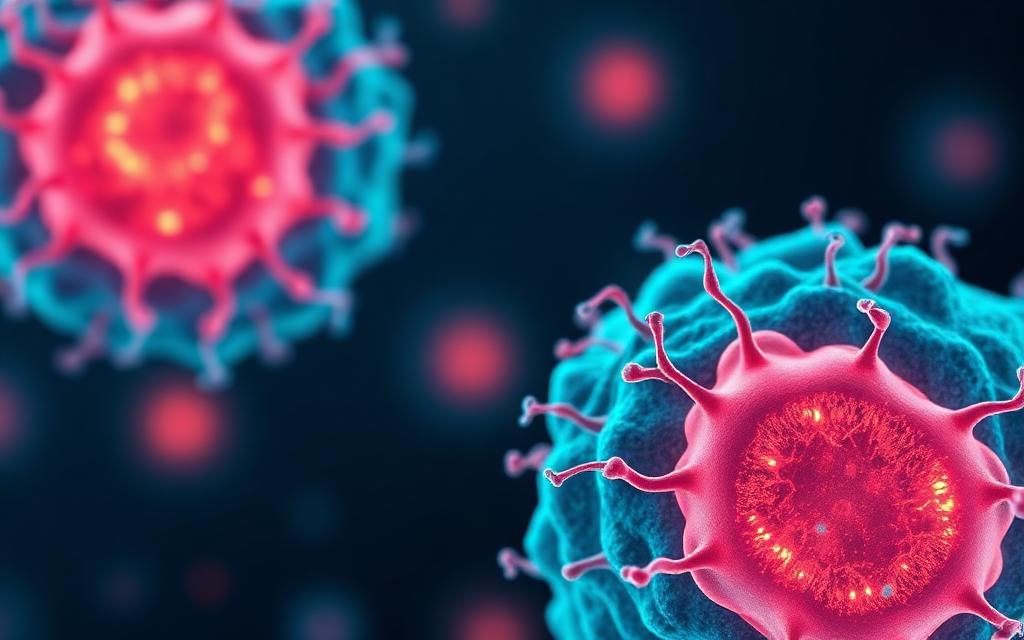
How peptides interact with the body
Understand receptors, signalling pathways, and biological responses.
Read article
Understanding evidence levels
How research is evaluated and what evidence labels really mean.
Read article
Speak the language
Eight terms you'll see everywhere
Bookmark this mini glossary — these words appear on nearly every profile and study summary.
- Amino acid
- A single building block. String them together and you get peptides, then proteins.
- Receptor
- A docking site on a cell that a peptide binds to, like a key fitting a lock, to trigger a response.
- In vitro
- Studied in a lab dish, outside a living organism. The earliest and weakest form of evidence.
- In vivo
- Studied in a living organism — usually animals before humans.
- Clinical trial
- A structured study in people, run in phases that grow larger and more rigorous.
- Placebo-controlled
- Some participants receive an inactive substitute so results can be compared fairly.
- Half-life
- How long a compound remains active before the body breaks half of it down.
- Research-only
- A compound with no approved medical use, studied only in laboratory settings.
Common questions
Beginners usually ask
Do I need a science background to use this site?
No. Every guide is written in plain language, and technical terms are defined where they first appear. This learning path assumes zero prior knowledge.
Does Peptides Made Clear recommend peptides or doses?
Never. We are an independent education platform. We explain what research exists and how strong it is — we do not provide dosing, protocols, medical advice, or purchasing guidance.
Why do some popular peptides have low evidence levels?
Popularity online often outpaces published research. A compound can be widely discussed while having only animal or laboratory data. Our levels reflect what has actually been studied and verified.
Where does your information come from?
Every claim is tied to a source — published studies, trial registries and regulatory records — and graded on our five-level Evidence Ladder. Unreviewed material is always labelled as such.
What should I read after this page?
Work through the five-step path above, then explore Peptides A–Z with the Evidence Ladder in mind. Peptide Match can suggest research areas based on what you're curious about.
Finished the path? Keep exploring.
Put your new vocabulary to work — browse the full library, or let Peptide Match point you at the research areas that fit your curiosity.
Peptides Made Clear is an independent education platform. Content is for learning only — it is not medical advice, and we never provide dosing, protocols, or purchasing guidance.