
Understand peptides through the human body.
Explore what peptides do, how they interact with the body, and what the evidence actually shows—in plain language, with every claim tied to its source.
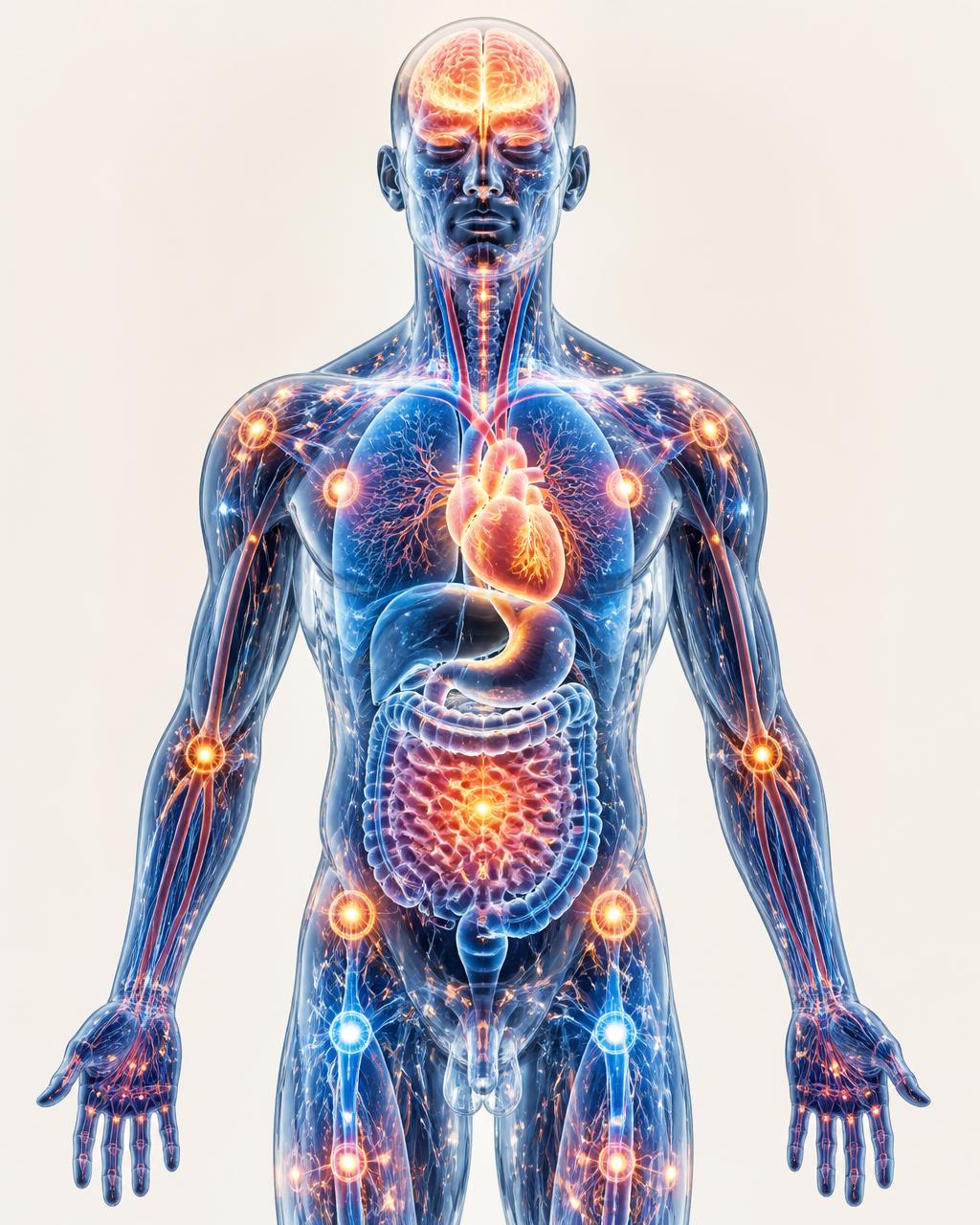
Body areas
You know GLP-1s. There's more to explore.
Start with what you know, then explore the other areas peptide researchers are investigating.
Explore by area of research
Choose an area to discover which peptides are being studied, what researchers are investigating, and how strong the available evidence is.
Explore by area of research
Metabolism & Weight
Appetite signaling, insulin response, and energy balance research.
Explore research
Muscle & Recovery
Growth signaling and post-exercise recovery markers under study.
Explore research
Brain & Cognition
Memory, focus, and neural repair pathways being investigated.
Explore research
Heart & Circulation
Vascular signaling, blood flow, and cardiac tissue research.
Explore research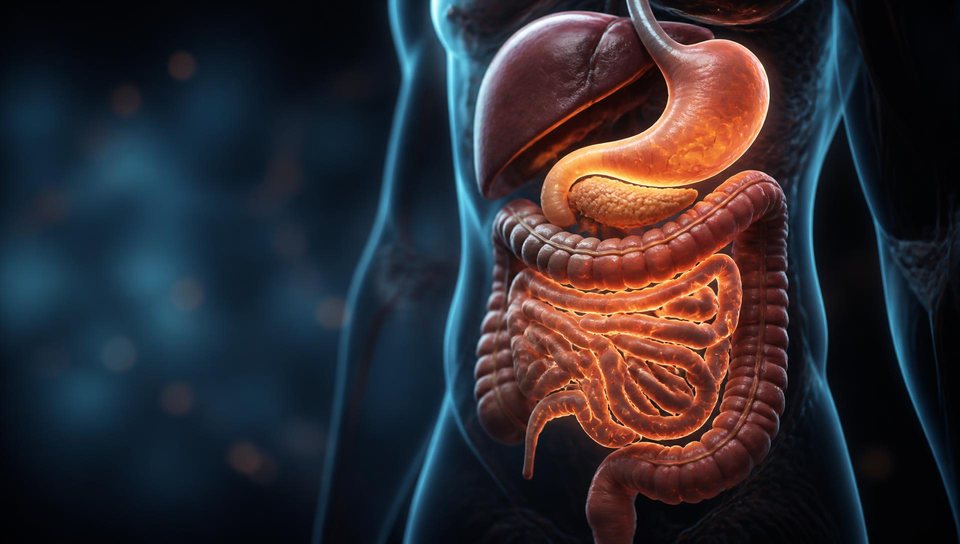
Gut & Digestion
Mucosal repair signaling and digestive tract studies.
Explore research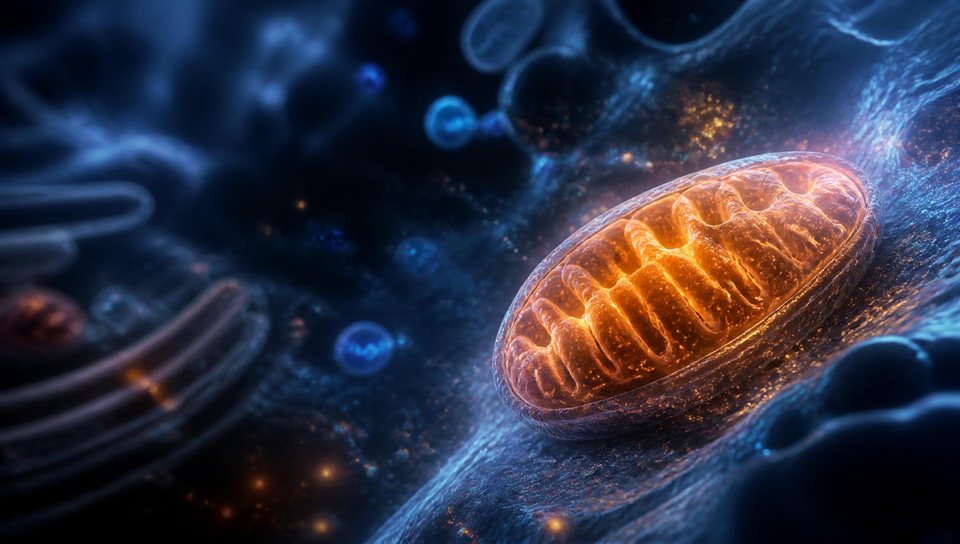
Cellular Energy
Mitochondrial function and cellular energy pathway studies.
Explore research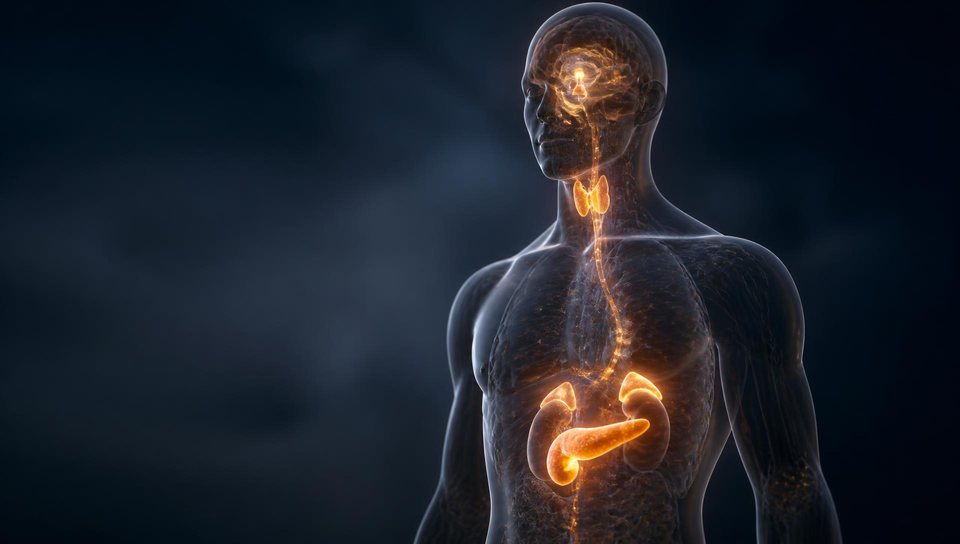
Hormones
Endocrine signaling and hormone pathway research.
Explore research
Immune & Inflammation
Immune modulation and inflammatory response research.
Explore research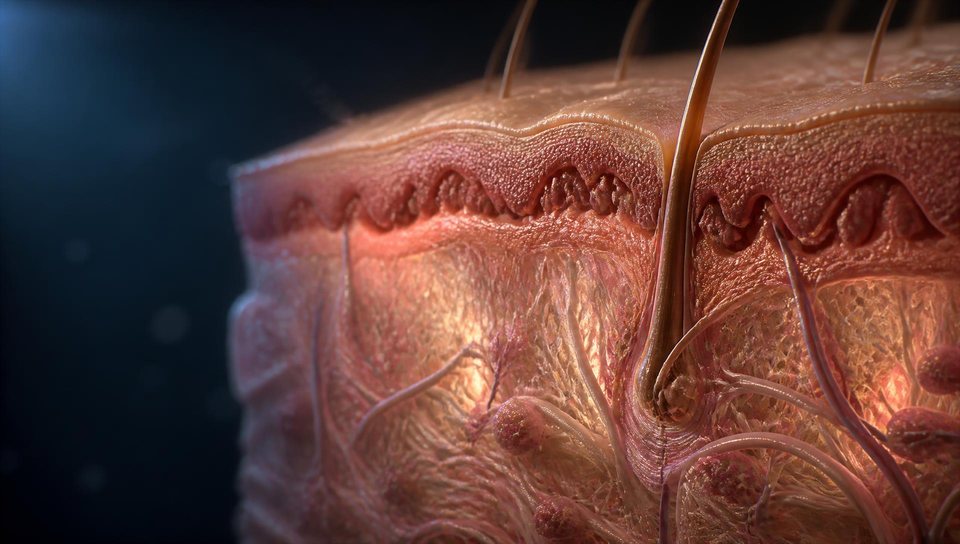
Skin, Hair & Collagen
Collagen signaling, pigmentation, and follicle biology studies.
Explore research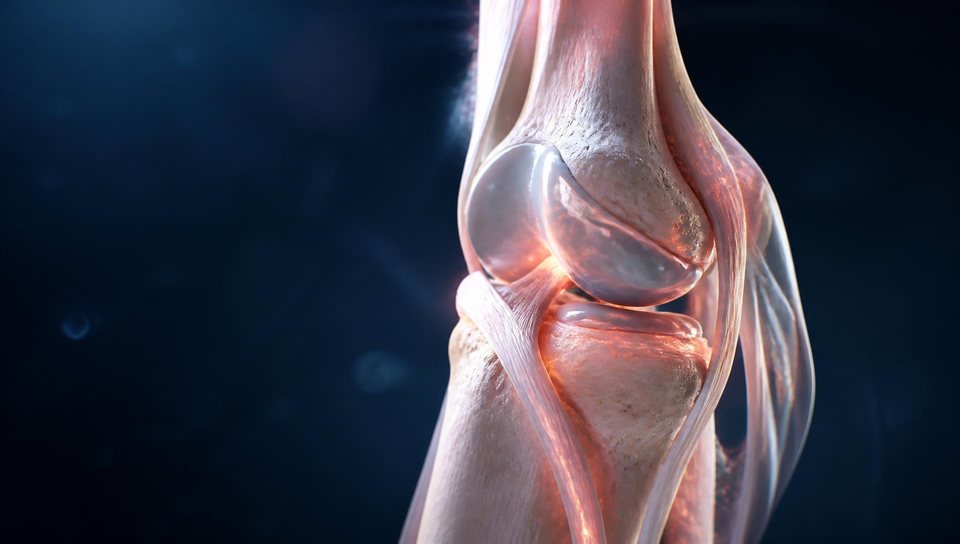
Joints & Tissue Repair
Tendon, ligament, and soft tissue repair signaling research.
Explore research
Sleep & Circadian Rhythm
Sleep architecture and body-clock signaling research.
Explore research
Healthy Aging & Longevity
Aging biology and cellular senescence research directions.
Explore research


Popular peptide profiles
Educational summaries only. Evidence labels describe how much research exists—never a recommendation to use anything.
BPC-157
Explored for its role in tissue repair and gut health.
Preclinical evidence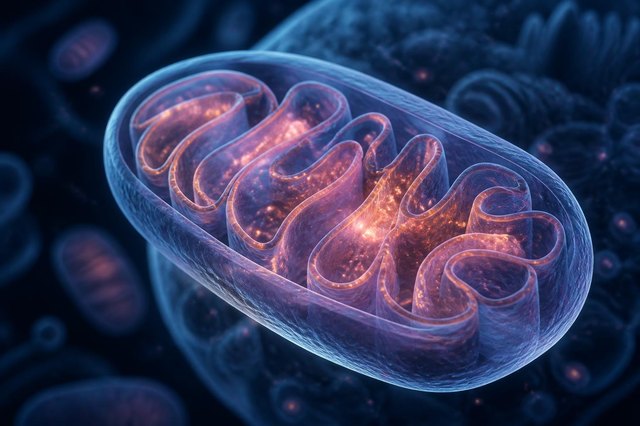
MOTS-c
Investigated for its role in metabolism and cellular energy.
Emerging evidence
GHK-Cu
Studied for skin repair, collagen support, and healing.
Emerging evidence
SS-31
Investigated for mitochondrial support and cellular health.
Emerging evidence
KPV
Explored for its role in inflammation and immune balance.
Preclinical evidence
Semax
Studied for cognitive support and mental clarity.
Emerging evidence


The evidence ladder
Every claim on this site is placed on a five-level ladder so you can see how much is actually known—not just what sounds promising.
Visual evidence ladder
- Level 1
Laboratory Research
Observed in cells, tissue, or computational models only.
- Level 2
Animal Research
Studied in animal models; results often do not transfer to people.
- Level 3
Early Human Research
Small, early-stage or uncontrolled studies in humans.
- Level 4
Controlled Human Studies
Randomised or otherwise controlled human trials exist.
- Level 5
Regulatory Review or Established Clinical Use
Reviewed by a regulator or established in clinical practice for a specific use.
Visual Reconstitution & Concentration Calculator
Container ÷ diluent = concentration → measurement. We provide the math. You provide the amounts.
Visual reconstitution and concentration calculator
Container
Diluent
Any volume can be entered, including above 5 mL. The liquid level maps to the entered volume. Not every container physically holds every volume.
Concentration
- mcg/mL
- 5000
- mg per 0.1 mL
- 0.5
- mcg per 0.1 mL
- 500
- mg per unit
- 0.05
- mcg per unit
- 50
Measurement
Each small line = 1 unit (0.01 mL)
- mcg
- 250
- mg
- 0.25
- mL
- 0.05
- units
- 5
The graphic is synchronized to the exact result; physical graduations may still limit practical readability.
10 mg ÷ 2 mL = 5 mg/mL → 250 mcg = 0.05 mL = 5 units
“Math verified” means the internal arithmetic is consistent. It does not imply medical approval, purity, safety or external verification.
Show every calculation step
- 1.10 mg ÷ 2 mL = 5 mg/mL
- 2.250 mcg ÷ 1,000 = 0.25 mg
- 3.0.25 mg ÷ 5 mg/mL = 0.05 mL
- 4.0.05 mL × 100 units/mL = 5 units
Explore the scale
250 mcg = 0.05 mL = 5 units · fits the selected device · aligns with a graduation
- 100 mcg0.02 mL · 2 unitsFits device · On a graduation
- 250 mcg0.05 mL · 5 unitsFits device · On a graduation
- 500 mcg0.1 mL · 10 unitsFits device · On a graduation
- 750 mcg0.15 mL · 15 unitsFits device · On a graduation
- 1000 mcg0.2 mL · 20 unitsFits device · On a graduation
- 1500 mcg0.3 mL · 30 unitsFits device · On a graduation
- 2000 mcg0.4 mL · 40 unitsFits device · On a graduation
What changes if…
Preview a change first. Nothing updates until you select Apply.
0.05 mL = 5 units
0.05 mL = 5 units
0.05 mL = 5 units
10 mg/mL → 0.025 mL
5 mg/mL → 0.05 mL
3.3333 mg/mL → 0.075 mL
Switches to target concentration mode with your current container amount
Compare peptides
Put two research topics next to each other and see exactly where the evidence differs.
Compare peptides preview
| Comparison point | Tesamorelin | BPC-157 |
|---|---|---|
| Evidence level | Controlled human studies | Animal research |
| What is being researched | Visceral fat distribution and metabolic markers | Soft tissue and gut lining repair signalling |
| Proposed mechanism | Growth-hormone-releasing hormone analogue | Discussed as a modulator of local repair signalling |
| Human research | Multiple randomized trials | Very limited published human data |
| Research history | Studied since the 2000s | Studied since the 1990s |
| Source count | 63 cited sources | 48 cited sources |
| Last evidence review | 3 August 2026 | 12 August 2026 |
Your Research
Record observations, milestones, reported effects, and research notes in one private timeline.
Your Research private feature preview
Research subject A
Private to your account
Timeline
Week 1 · Research subject created
Baseline observation recorded.
Week 2 · Amount recorded
Research material and amount logged for reference.
Week 4 · Observation
Reported effects noted: sleep quality, energy pattern.
Week 6 · Progress marker
Milestone added to the private timeline.
Neutral trend view
Self-recordedCharts display your own recorded entries only. No interpretation is provided.
Observation entry
- Research material
- Sample entry
- Amount recorded
- Recorded by you
- Reported effects
- Free-text notes kept private to your account.
Ask Peptides Made Clear
A research assistant that answers questions using only the reviewed content on this platform, and shows you the sources behind every answer.
Ask Peptides Made Clear research assistant preview
What is currently known about BPC-157 and tendon healing?
Most published work on BPC-157 and tendon tissue comes from animal models, where researchers have reported changes in repair markers. Controlled human studies on this specific outcome are not currently available, so conclusions about people cannot be drawn from the existing literature.
Sources
Learn the fundamentals
Short, plain-language explainers that make the rest of the site easier to read.
What are peptides?
A beginner-friendly primer on the building blocks of life and how peptides work.
Read article
How peptides interact with the body
Understand receptors, signalling pathways, and biological responses.
Read article
Understanding evidence levels
How research is evaluated and what evidence labels really mean.
Read article
Featured Research Vendors
This area is kept separate from our scientific and editorial content. Placements here do not influence evidence ratings or peptide profiles.
- Featured placement
Northline Research Supply
Third-party testing published for every batch.
Transparency score 92
View vendor transparency report - Featured placement
Halden Laboratories
Certificates of analysis available on request.
Transparency score 88
View vendor transparency report - Featured placement
Ardent Research Group
Documented storage and handling standards.
Transparency score 84
View vendor transparency report
Stay current without drowning in research.
Get important study updates, evidence changes, and newly reviewed peptide profiles in the weekly Peptides Made Clear Brief.